


Contact Information
- Solahart Central Coast
- Unit 12, 41 Accolade Avenue
- Morisset NSW 2264
- 1300 362 821
- centralcoastsolahart@bigpond.com
Conventional gas or electric water heating are significant contributors to energy use and costs in your house. Using energy from the sun to heat water is an effective way to use Australia’s ample sunshine to provide cost-effective and reliable hot water, helping you save energy, money and reduce greenhouse gas emissions.
Solar water heating is a simple and efficient process where energy from the sun is captured to heat water for your home.
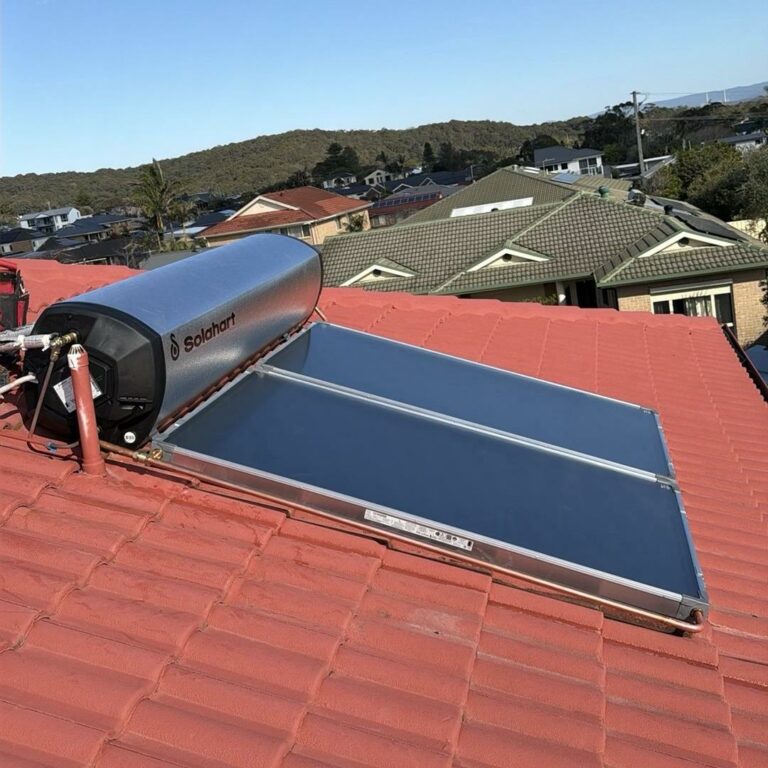
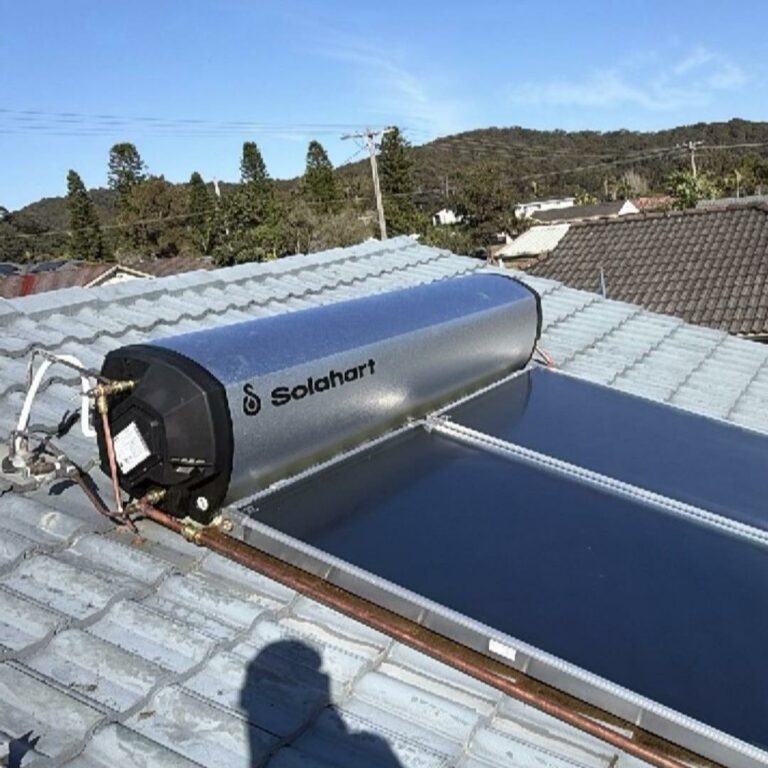
As an authorised Solahart dealer, Solahart Central Coast is proud to offer you the best solar water heating systems and you can choose between efficient roof-mounted tanks or slimline split-systems to minimise the visual impact on your home.
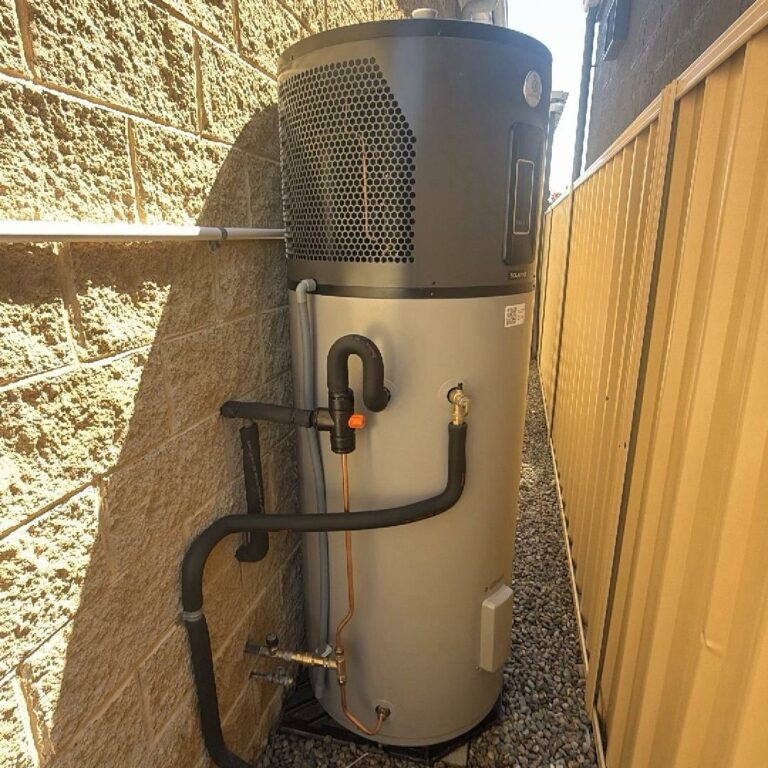
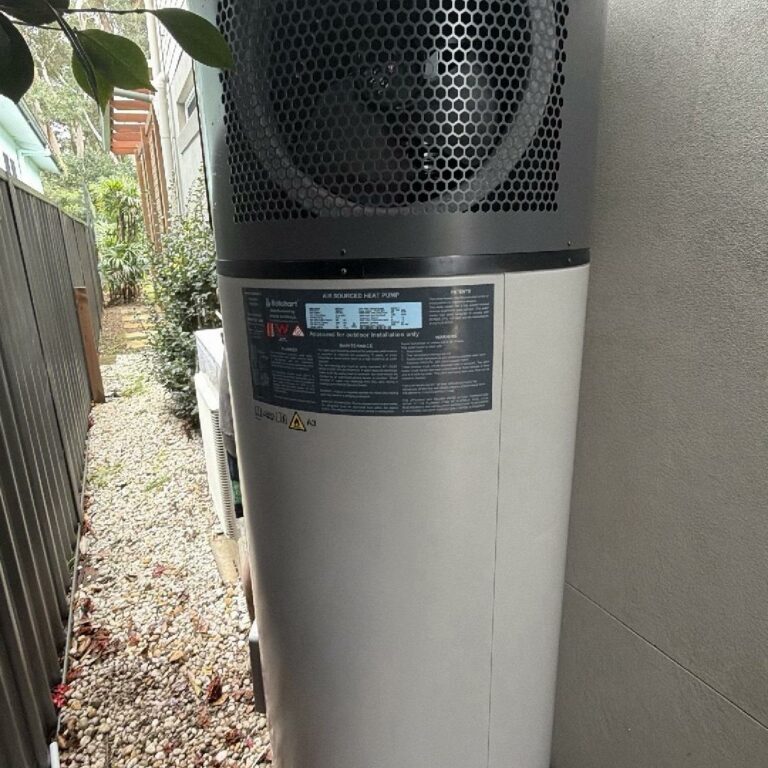
Meanwhile, a Solahart Atmos Heat Pump is an energy efficient water heater designed to be installed in areas where solar hot water systems may not be suitable. It is a smart renewable energy solution to replace your gas or electric water heater. It works much like a reverse cycle air-conditioner in that the surrounding air is the heat source rather than the sun. Solahart Atmos Heat Pump provides reliable hot water for your family and is suitable for residential applications where you require energy efficient hot water, without the need for roof space.
If you have excess PV, then the latest innovation from Solahart might be just what you need. Introducing Solahart PowerStore®; Australia’s first solar-smart electric water heater. Solahart PowerStore works with a solar power system where together with a power meter, it captures excess solar energy and turns it into hot water, rather than allowing it to be sent back to the grid. Like a battery, it stores energy – but it’s more affordable. And because a Solahart PowerStore system minimises the amount of power you draw from the grid, it is also designed to reduce your household energy bills.
With over 300 sunny days per year, the Central Coast offers ideal conditions for solar water heating. Australian households spend approximately 25% of their energy budget on water heating, making solar hot water one of the smartest investments for long-term savings.
Our solar hot water systems can reduce your Central Coast home’s water heating costs by up to 65%, helping families save $800-1,500 annually. Beyond the financial benefits, switching to solar water heating reduces greenhouse gas emissions by approximately 3 tonnes per year, equivalent to taking a small car off the road.
Benefits:
Perfect for Central Coast homes with unshaded north-facing roofs, our roof-mounted systems combine solar collectors and storage tanks in one efficient unit. These systems are ideal for established properties across Gosford, Wyong, and surrounding areas.
Most Popular Models for Central Coast Homes:
Installation typically takes 4-6 hours, and our systems are designed to withstand harsh Australian conditions including Central Coast’s coastal salt air and extreme temperatures.
Our most popular system, designed to provide economical service in medium to high solar gain areas.
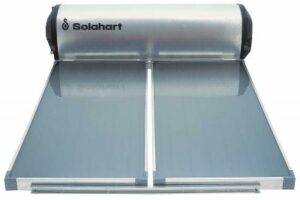
Frost protected system, designed for use in medium to high solar gain areas.
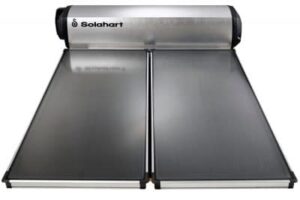
Mid-range model for use in low to medium solar gain areas.
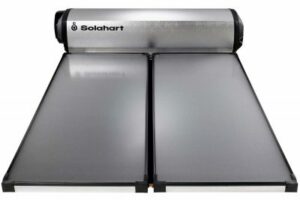
Higher efficiency for use in low to medium solar gain areas.
Entry level model for
high solar gain areas.
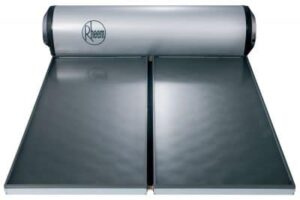
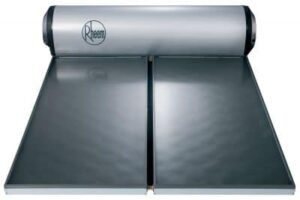
Entry level frost protected model for high solar gain areas.
Ideal for Central Coast heritage properties, new builds, or homes where roof aesthetics matter, split systems offer all the benefits of solar hot water with the tank conveniently located at ground level.
Key Advantages for Central Coast Properties:
Our Streamline and Rheem split systems use advanced thermosiphon technology, ensuring reliable hot water circulation without pumps or electricity.
Split system solar for areas of
medium to high solar gain.
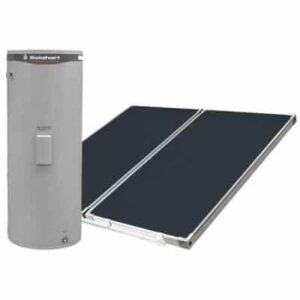
Split system solar for areas of
low to medium solar gain.
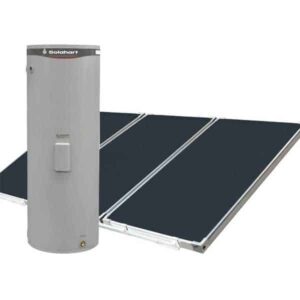
Split solar system designed for areas of medium to high solar gain.
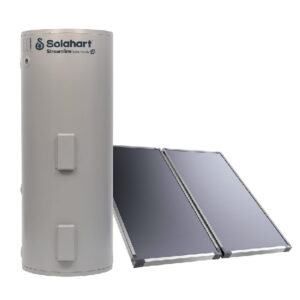
Split system solar for areas of
low to medium solar gain.
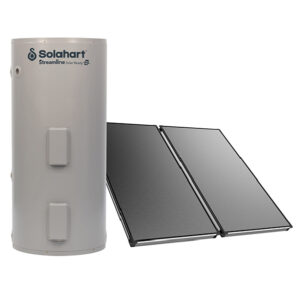
Split solar system designed for cooler climates and all weather conditions.
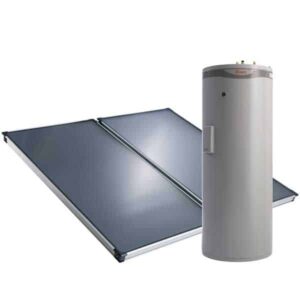
Emergency Hot Water Replacement + 10-Year Tank Warranty
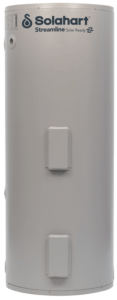
When solar collectors aren’t suitable due to shading or roof orientation, heat pumps offer an excellent energy-efficient alternative for Central Coast homes. These systems extract heat from ambient air, even in cooler weather, making them perfect for the Central Coast’s mild climate.
Solahart Atmos Range Benefits for Central Coast Homes:
The Atmos-Frost model includes advanced freeze protection, making it ideal for inland Central Coast areas like Cooranbong and Morisset that experience winter frosts.
Energy efficient heat pump with a low side mounted heat pump module.
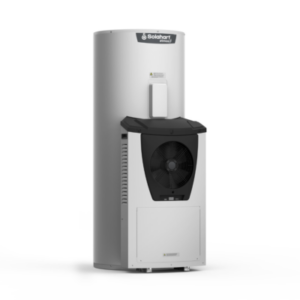
Energy efficient heat pump
built to be frost tolerant.
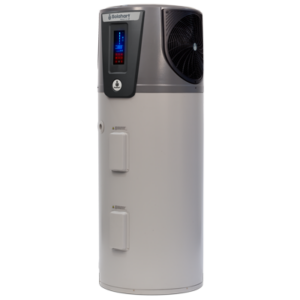
Entry level frost protected model for high solar gain areas.
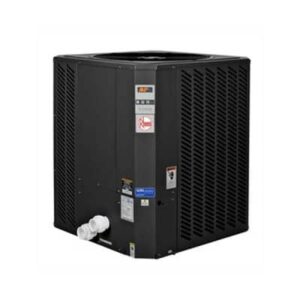
Energy-efficient alternative for areas where a conventional solar water heater may not be suitable.
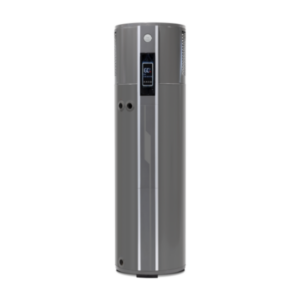
The Ultra Low GWP 280 litre heat pump for medium to large families.
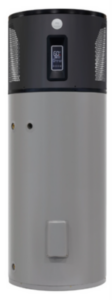
Already have solar panels on your Central Coast home? PowerStore revolutionises water heating by capturing your excess solar energy and storing it as hot water – like a battery, but more affordable.
How PowerStore Works for Central Coast Solar Homes:
Perfect for Central Coast homes with existing solar installations, PowerStore typically pays for itself within 3-4 years through reduced electricity bills.
World leading smart technology developed, designed and built in Australia.
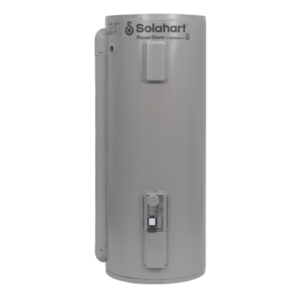
Our fully licensed team provides same-day emergency service when your Central Coast hot water system fails. We understand that hot water is essential for family comfort, which is why we prioritise urgent repairs and replacements across the entire Central Coast region.
Our Central Coast Service Promise:
Whether you need a complete system replacement or routine maintenance, our experienced Central Coast team ensures minimal disruption to your daily routine.
There are so many reasons to choose Solahart Hot Water Systems. Here are our Top 5 reasons:
Hot water is one the greatest energy drains in your house. A solar water heater could help you save up to 65%^ of your water heating energy consumption.
A Solahart Solar Hot Water system is proven to be more energy efficient than solar power. It uses the heat from the sun to provide cost-effective and reliable hot water.
A solar hot water system works just like a battery, storing energy in the form of hot water, ready for use at a later time. It is the original solar energy storage device, and Solahart has been perfecting it for over 65 years.
To save the equivalent in energy use, a solar water heater takes up a third of the roof space of a standard solar power system^^.
Solahart lets you choose between efficient roof-mounted tanks or slimline split-systems, to minimise visual impact.
Central Coast Areas We Service:
Gosford Region: Gosford, Terrigal, Avoca Beach, Copacabana, Matcham, Holgate, Point Clare, West Gosford
Wyong Shire: Wyong, The Entrance, Toukley, Budgewoi, Lake Munmorah, Chain Valley Bay, Mannering Park, Blue Haven
Lake Macquarie: Morisset, Cooranbong, Doyalson, Bonnells Bay, Rathmines, Toronto, Caves Beach, Catherine Hill Bay
Hunter Valley Gateway: Cessnock, Kurri Kurri, Weston, Branxton, Greta
Why Choose Local Central Coast Service:
Our local Central Coast knowledge means we understand the unique challenges of coastal salt air, varying soil conditions, and local council requirements across different Central Coast areas.
For Central Coast conditions, we typically recommend:
Our free Central Coast assessment considers your roof orientation, shading, household size, and budget to recommend the perfect system.
Central Coast savings vary by household, but typical families save:
Your exact Central Coast savings depend on current energy costs, household hot water usage, and the system type installed. We provide detailed savings calculations during your free assessment.”
Yes! Central Coast residents can access multiple incentives: STCs (Small-scale Technology Certificates) available Australia-wide.
NSW Energy Savings Certificates providing additional NSW-specific rebates for Central Coast homes; combined savings often $1,000+ off purchase price. We handle all rebate paperwork for Central Coast customers and apply discounts at point of sale, so you don’t pay upfront then wait for refunds
Solar hot water works by ‘collecting’ the sun’s heat and transferring this energy to the solar collectors either directly to water or indirectly to anti-freeze fluid, which is used in frost prone areas. The heated water or fluid is then circulated back to the storage tank to provide hot water free from the sun®.
Solar Power (PV panels), on the other hand, rely on sunlight to generate DC electricity, which is fed into an inverter and converted into AC current to power your home.
Although both technologies rely on the sun’s free energy, they have entirely different purposes.
Water heating accounts for around 25% of the average Australian household’s energy use, clearly outweighing other forms of energy consumption.
The great thing about solar water heaters is that they store energy from the sun in a storage tank for later use,
which is in effect, just like a battery. And because they are so efficient, solar water heater collectors take up
about ⅓^ of the roof space needed for an equivalent sized solar power system.
Getting your hot water free from the sun® not only saves energy but also saves greenhouse gas emissions that would have been produced in the generation of that energy. By replacing an electric storage water heater with a Solahart Solar Water Heater, you could reduce greenhouse gas emissions by around 3 tonnes a year*, which is the equivalent of taking a small car off the road.
STCs are part of the government’s commitment to renewable energy. STCs are created when you install and commission qualifying solar hot water, solar/wind power systems or residential solar power systems.
Each STC represents 1 MWh (Megawatt hour) of energy produced. The number of STCs you are eligible for varies
depending on the size of the system you install and your location.
STCs have a market value (which may vary over time) and are tradable; they can be sold, or used to get a discount or cash. Solahart offers an up front discount on the price of a solar power system in return for the STCs.
Of course we service our Solahart products however we also service other brands including Rheem, Dux and Saxon. Get in touch regardless of which brand you have installed and we can help.
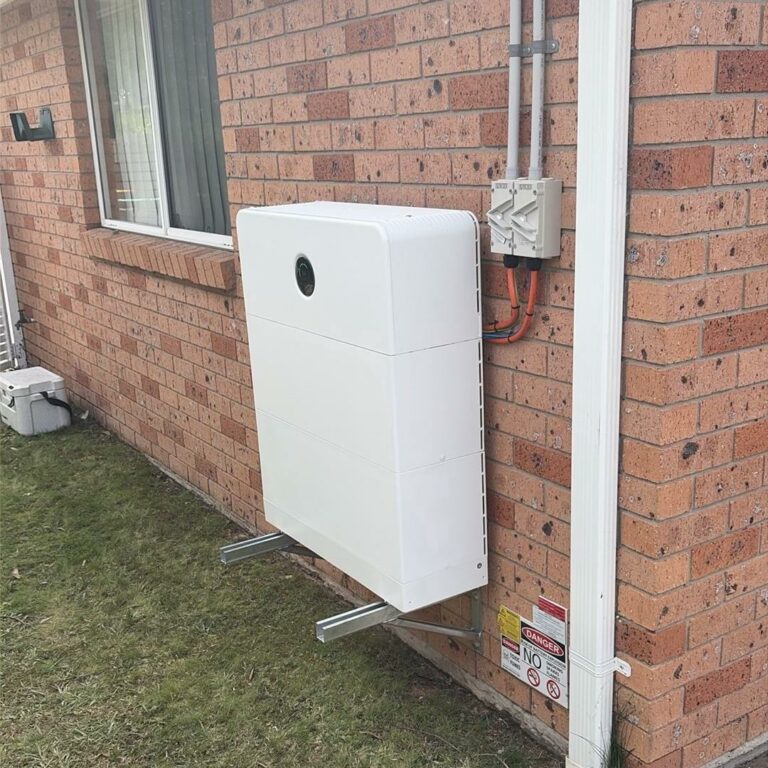
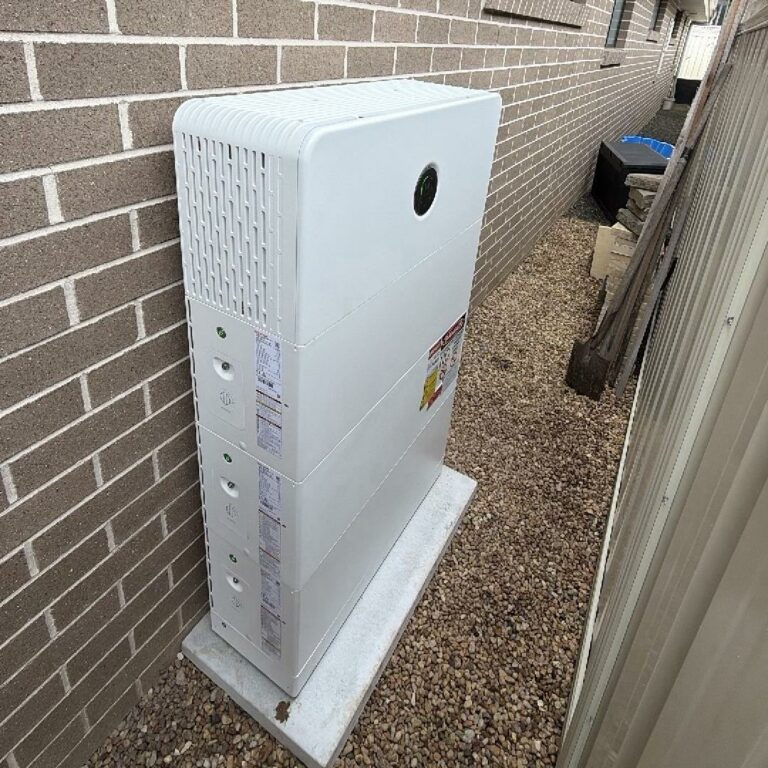
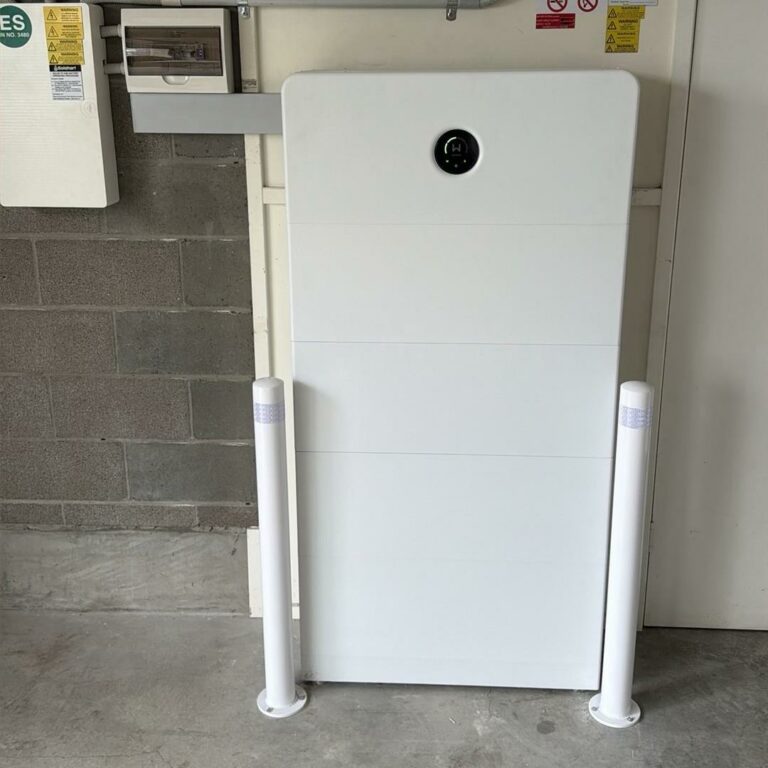
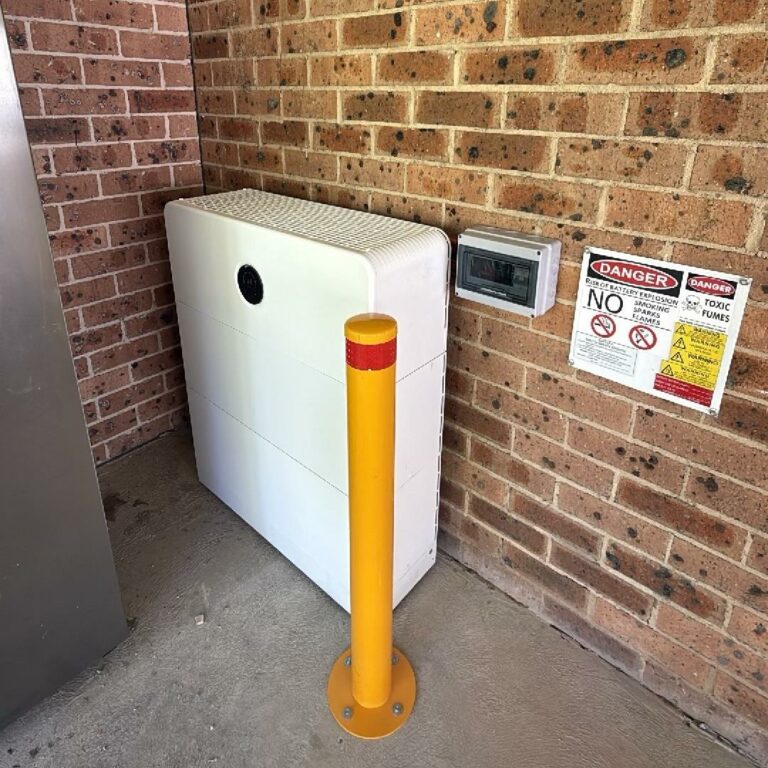
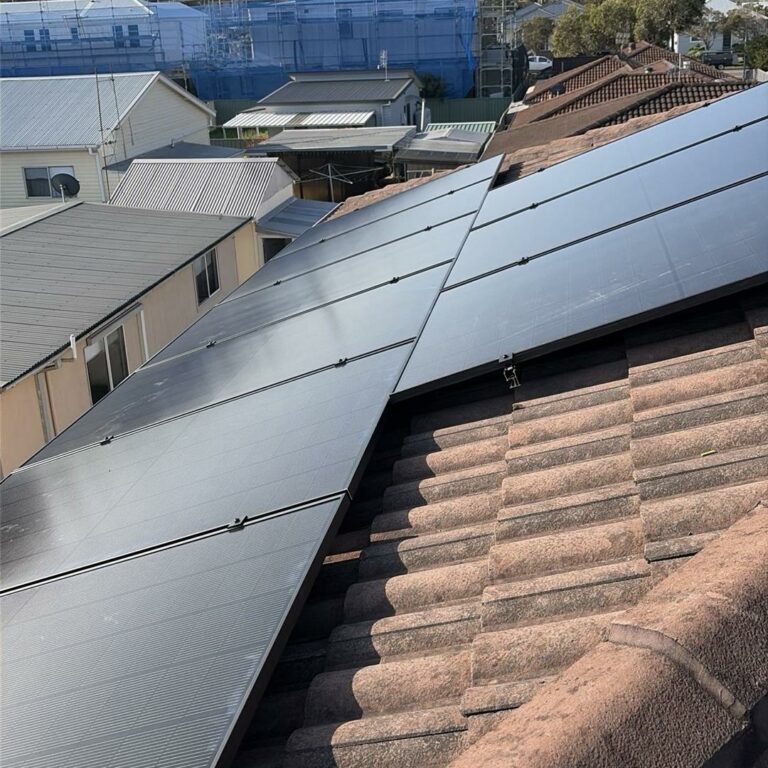
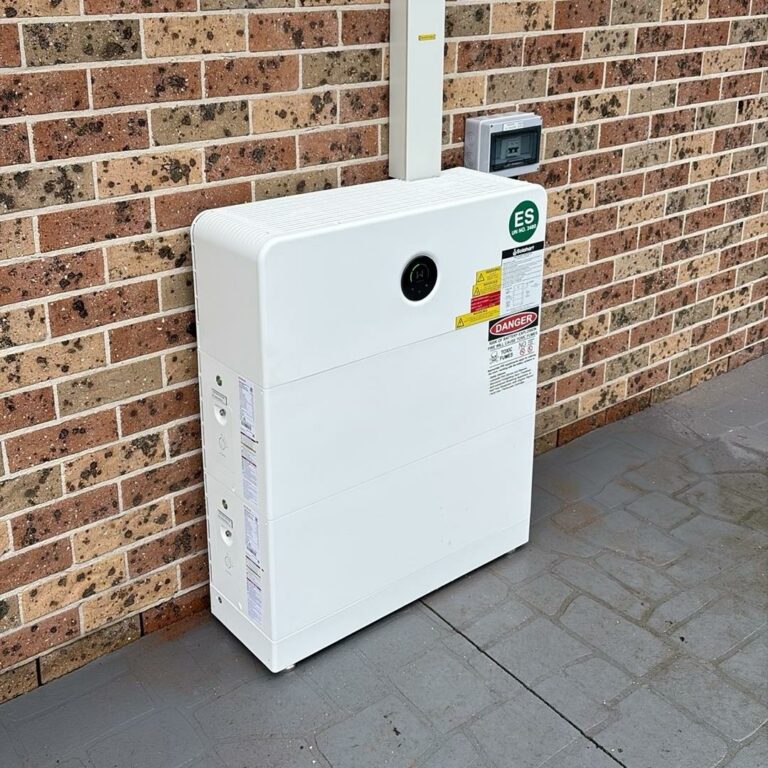
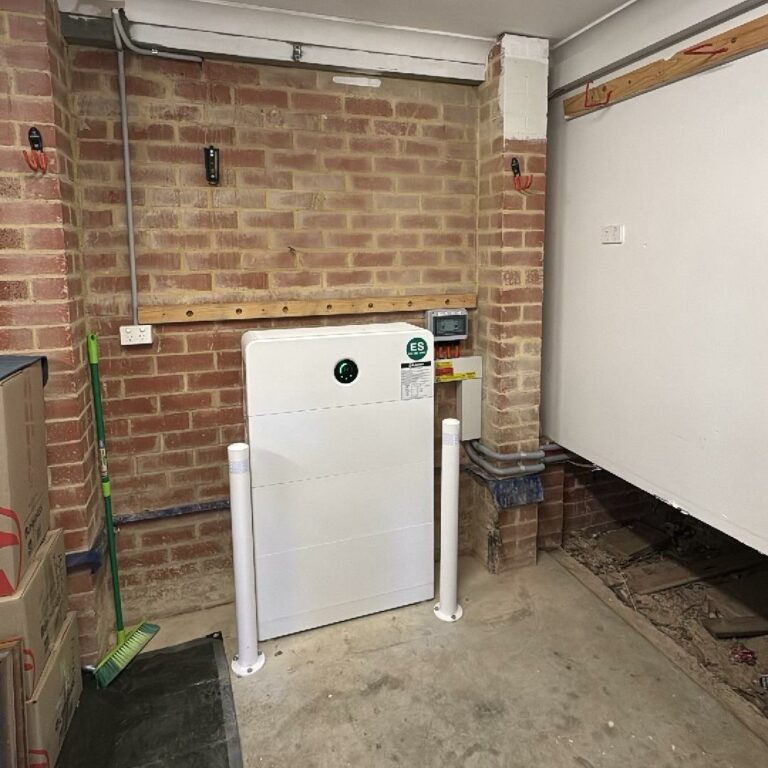
![Solar power installation in Gorokan] by Solahart Central Coast](https://solahartcentralcoast.com.au/wp-content/uploads/Solar-power-installation-in-Gorokan-by-Solahart-Central-Coast-26b9-768x768.jpg)
Bellevorg Pty Ltd (ABN 37 133 510 531), trading as Solahart Central Coast, operates the Solahart dealership in the region covering from the Hawkesbury River, Bucketty, Dooralong, Cooranbong, and across to Caves Beach. NSW Contractor Licence No. 210883C, Electrician Licence No. 211340C, Plumber Licence No. 379864C.
Looking for something else? Search our site here.
Solahart Central Coast
Your trusted solar installer
At Solahart, we’re proud to be leading Australia’s solar charge. Helping smart Aussies make a real difference to the planet, reducing their reliance on the grid, cutting their energy bills, and connecting them to their smart energy future.
Since 1953, we’ve been the trusted name in Australian solar, installing over a million solar hot water systems in over 70 countries, and over 700,000 solar power panels in Australia.