Adding a Battery to an Existing Solar System on the Central Coast: Is It Worth It in 2026?
November 17 2026
Thousands of Central Coast homes went solar years ago and have been happily trimming their power bills ever since. But if you are one of them, you have probably noticed something: the generous feed-in tariffs of a few years back have shrunk, so the credit you get for exporting surplus solar to the grid is not what it used to be. That shift has a lot of local homeowners asking the same question in 2026. Is it finally worth adding a battery to my existing solar system?
The short answer is that it depends on how and when you use power, and for a growing number of Central Coast households the numbers now stack up better than ever. Here is how to work out whether it is the right move for your home.
Why More Central Coast Homeowners Are Adding Batteries Now
When solar first took off, exporting your daytime surplus to the grid earned a healthy feed-in tariff, so there was little reason to store it. Today the economics have flipped. Feed-in tariffs have fallen, while the price you pay to buy power back from the grid in the evening has climbed. That gap is exactly what a battery closes.
Instead of selling your excess solar cheaply during the day and buying expensive grid power at night, a solar battery storage system lets you store your own generation and use it after the sun goes down. For a home with an existing, well-performing solar power system, a battery is often the logical next step rather than a whole new install.
How to Tell If a Battery Is Worth It for Your Home
A battery makes the most sense when your home fits one or more of these patterns:
You use a lot of power in the evening. If your household is busiest after dark, with cooking, heating or cooling, entertainment and lights all running, a battery lets you cover that peak with stored solar instead of grid power.
You export a lot of surplus solar. If your monitoring shows large amounts of energy flowing back to the grid during the day, you are effectively giving away power cheaply that a battery could store for you.
You are home during the day but also at night. Retirees and families who use power around the clock get strong value from storing the midday surplus.
You have added, or plan to add, big new loads. A pool, air conditioning or an electric vehicle all increase your usage and improve the case for storage.
If, on the other hand, your household uses most of its power during daylight hours and exports very little, a battery will save you less, and it may pay to wait or size carefully. This is exactly the kind of thing worth checking against your actual usage data.
Will a Battery Work With My Existing Solar System?
In most cases, yes. There are two main ways to add storage to an existing system. A so-called AC-coupled battery can be added alongside almost any existing solar setup, because it has its own inverter and sits beside your current system. Alternatively, if your existing inverter is ageing or due for replacement, a hybrid inverter can be a tidy option that handles both solar and battery together.
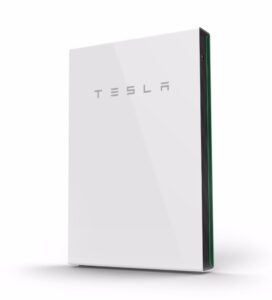
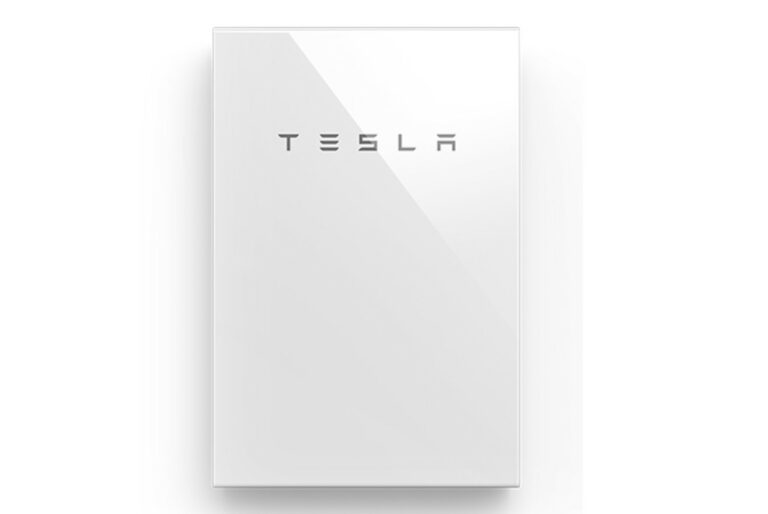
Solahart Central Coast installs quality battery systems from trusted brands including Tesla, SolarEdge, GoodWe and the Solahart PowerStore, and can retrofit storage to most existing systems. The right approach depends on the age and type of your current inverter, which is something a local technician can assess quickly on site.
What About Rebates and Incentives?
This is a big part of why 2026 is a strong year to add storage. The federal Cheaper Home Batteries Program has significantly reduced the upfront cost of an eligible battery, and depending on your circumstances you may also be able to access further support by joining a Virtual Power Plant, plus interest-free finance to spread the remaining cost. These incentives can be stacked, and getting the order right matters. You can read more about what is currently available on our rebates and incentives page, and explore ways to pay through interest-free finance. A good local installer will apply every incentive you qualify for before working out your final out-of-pocket cost, so you are only paying for what is left after the rebates.
How Much Could You Save?
Savings vary from home to home, because they depend on your battery size, your usage habits and your tariff. As a general guide, the more evening power you can shift from the grid to stored solar, the more you save. A battery does the heavy lifting during the early evening peak, which is typically when grid electricity is most expensive.
The most reliable way to estimate your own savings is to look at your actual data: how much solar you currently export, how much power you buy back at night, and what you pay for it. From there, a local assessment can model how a battery of a given size would change those numbers. A smart energy management system then helps you get the most from the battery once it is installed, by tracking and optimising how your stored energy is used.
The Bottom Line for Central Coast Solar Owners
If you already have solar on the Central Coast and you use a decent amount of power in the evenings, adding a battery in 2026 is well worth considering. Lower feed-in tariffs, higher grid prices and strong battery rebates have combined to make storage a much smarter investment than it was even a couple of years ago, especially if you have added a pool or an electric vehicle charger to the mix.
The best next step is a proper look at your existing system and usage. Contact the Solahart Central Coast team for a free assessment, and they will tell you honestly whether a battery stacks up for your home and what size would suit you best.
Frequently Asked Questions
Can I add a battery to my existing solar system?
In most cases, yes. A battery with its own inverter can be added alongside almost any existing solar setup, and if your current inverter is ageing, a hybrid inverter can handle both solar and battery together. A local technician can confirm the best approach for your system.
Is it worth adding a battery to solar on the Central Coast in 2026?
For many homes, yes. Feed-in tariffs have fallen while evening grid prices have risen, so storing your own solar for night-time use now saves more than it used to. It is most worthwhile if you use a good amount of power in the evenings.
How do I know if a battery will save me money?
Look at how much solar you currently export to the grid and how much power you buy back at night. The more evening usage you can shift from the grid to stored solar, the more a battery saves. A local assessment can model this against your actual data.
What battery brands does Solahart Central Coast install?
Solahart Central Coast installs quality battery storage from trusted brands including Tesla, SolarEdge, GoodWe and the Solahart PowerStore, and can retrofit a battery to most existing solar systems.
Are there rebates for adding a home battery?
Yes. The federal Cheaper Home Batteries Program has reduced the upfront cost of an eligible battery, and you may be able to access further support through a Virtual Power Plant, along with interest-free finance. These can often be combined, so it pays to get the sequence right.
Do I need a bigger solar system before adding a battery?
Not always. If your existing system already exports a good amount of surplus during the day, that surplus is what charges the battery. If you export very little, it may be worth reviewing your system size at the same time.
Will a battery power my home during a blackout?
Some batteries can provide backup power during an outage, though it depends on the model and how it is configured. If blackout protection matters to you, mention it during your assessment so the right system is recommended.